Key takeaways
- Modern industrial transformer products span ratings from 5 kVA pole mounts to 110 kV bulk power units conforming to IEC 60076 and IEEE C57 standards.
- The newest transformer designs leverage grain-oriented electrical steel or amorphous metal cores to achieve no-load loss reductions exceeding 30%.
- Procurement for transformers USA projects requires strict alignment with DOE 10 CFR Part 431 efficiency mandates and IEEE C57.12.34 enclosure tamper-resistance.
- Selecting between dry-type and liquid-filled transformer products hinges on environmental fire risk, indoor siting codes, and total cost of ownership evaluations.
- Standardised factory acceptance testing (FAT) including routine dielectric tests and winding resistance checks must validate every unit prior to dispatch.
Quick answer: Commercial and industrial transformer products encompass electromagnetic equipment designed to step voltage levels up or down across utility grids, industrial plants, and commercial infrastructure. Modern designs range from liquid-immersed power transformers and pad-mounted distribution units to cast resin dry-type systems, engineered to IEC 60076 and IEEE C57 standards for optimal energy efficiency and thermal durability.
Electrical balance of plant projects require equipment that provides stable voltage regulation, robust short-circuit ride-through capability, and low total cost of ownership. Sourcing high-specification transformers requires an intimate understanding of winding materials, insulation classes, magnetic core metallurgy, and regional regulatory frameworks. Whether consulting engineering firms require medium-voltage units for renewable collector substations or facilities managers need replacement units meeting contemporary efficiency legislation, matching duty-cycle requirements to precise factory designs is critical. For an in-depth look at major network applications, consult our transmission transformer engineering guide.
Core Classifications: Show Me Transformers for Modern Grids
Selecting appropriate transformer products begins with categorising equipment by operating medium, physical installation profile, and thermal dissipation method.
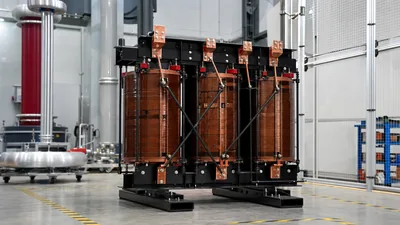
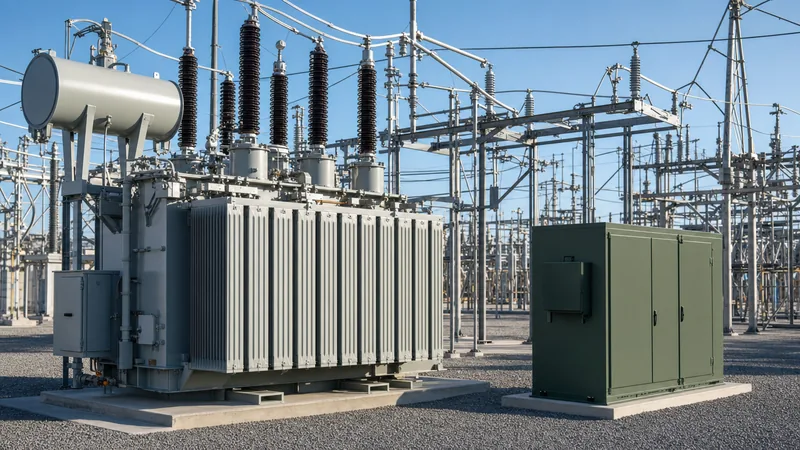
When engineers ask to show me transformers suited for harsh environments versus indoor facilities, the primary classification splits into liquid-immersed and dry-type topologies. Liquid-filled units utilise mineral oil or synthetic/natural esters to achieve superior heat dissipation and dielectric insulation. These units dominate high-voltage utility interconnects, heavy industrial plants, and outdoor distribution schemes. Conversely, dry-type transformers, vacuum-pressure impregnated (VPI) or cast in epoxy resin, eliminate flammable liquids and are specified for commercial buildings, tunnels, and offshore platforms under IEC 60076-11 standards.
Mounting architectures further define product suitability. Pole-mounted transformers serve light overhead rural networks, while pad-mounted compartmentalised units provide tamper-proof underground distribution for commercial parks and housing estates. For complex facilities requiring granular system design, reviewing our analysis of different types of transformers offers detailed mechanical and electrical comparisons across application sectors.
Newest Transformer Innovations and Efficiency Benchmarks
The newest transformer designs integrate advanced magnetic core alloys, biodegradable dielectric fluids, and integrated digital monitoring to exceed mandatory grid decarbonisation targets.
Core loss reduction represents the leading frontier in modern manufacturing. Conventional grain-oriented electrical steel (CRGO) grades, such as high-permeability laser-scribed sheets, are now complemented by amorphous metal alloys. Amorphous cores exhibit an unordered atomic structure that slashes hysteresis losses by up to 70% compared to standard silicon steel, making them exceptional for networks with low average loading. In the category of transformers latest developments, manufacturers are also replacing conventional mineral oil with high-fire-point natural ester fluids conforming to IEC 62770. Natural esters raise the flashpoint above 300°C, provide K-class fire safety, and exhibit rapid environmental biodegradability.
Furthermore, digital fleet management is now built directly into medium and high-voltage transformer products. Fibre-optic temperature sensors embedded inside the winding hot spots deliver real-time thermal data directly to SCADA platforms. Paired with automated multi-gas dissolved gas analysis (DGA) monitors and online bushings power factor sensors, operators can predict insulation degradation years before mechanical failure occurs.
Transformers USA: Navigating IEEE, NEMA, and DOE Mandates
Procuring transformers USA buyers require necessitates rigorous adherence to IEEE C57 standards, NEMA guidelines, and federally enforced Department of Energy (DOE) efficiency levels.
In North American installations, efficiency is legally regulated by the US Department of Energy under 10 CFR Part 431. Liquid-immersed distribution transformers must comply with DOE 2016 efficiency rules, which demand efficiency ratings often exceeding 99.10% at 50% rated load for medium-voltage three-phase units. IEEE C57.12.00 sets the baseline for general requirements in liquid-immersed units, while IEEE C57.12.34 governs compartmentalised, pad-mounted configurations. Sourcing equipment for these markets requires precise engineering of dead-front high-voltage terminations, bayonet fusing, and under-oil arresters. For a comprehensive standard comparison, examine our guide on pad-mounted transformers ANSI vs IEC design.
Basic impulse insulation level (BIL) ratings in North America also differ significantly from European IEC norms. A standard 15 kV nominal system typically dictates a 95 kV or 110 kV BIL, requiring stringent dielectric clearance verification in the core-and-coil assembly to prevent flashover during lightning impulses or switching surges.
Comparative Engineering Matrix of Modern Transformer Products
Evaluating commercial transformer products demands a direct comparison of physical envelope, electrical ratings, cooling classes, and applicable manufacturing standards.
The engineering matrix below outlines baseline parameters across the four primary transformer classifications used in modern utility and industrial distribution systems:
| Product Classification | Power Rating Scope (kVA/MVA) | Primary Voltage Range (kV) | Cooling Method | Insulation Medium | Governing Standards |
|---|---|---|---|---|---|
| Liquid-Immersed Substation | 1,000 kVA to 31.5 MVA | 11 kV to 110 kV | ONAN / ONAF | Mineral Oil or Ester | IEC 60076, IEEE C57.12.10 |
| Cast Resin Dry-Type | 100 kVA to 20 MVA | 3.3 kV to 36 kV | AN / AF | Class F or H Epoxy | IEC 60076-11, UL 1561 |
| Pad-Mounted Distribution | 45 kVA to 5,000 kVA | 4.16 kV to 34.5 kV | KNAN / ONAN | Ester Fluid or Mineral Oil | IEEE C57.12.34, CSA C227.4 |
| Overhead Pole-Mounted | 5 kVA to 500 kVA | 2.4 kV to 34.5 kV | ONAN | Inhibited Mineral Oil | IEEE C57.12.20, IEC 60076-2 |
Understanding these fundamental boundaries ensures project managers balance capital expenditure with lifecycle operational costs. When evaluating capitalization of no-load and load losses over a twenty-year operational window, consult our detailed analysis on transformer losses and total cost of ownership.
Engineering Step-by-Step: Specifying Custom Transformer Products
Specifying transformer products accurately requires a disciplined engineering sequence to ensure electrical compatibility, thermal longevity, and fault-current resilience.
- Calculate design load capacity: Establish the continuous load demand in kVA, incorporating harmonic derating factors (K-factor) where non-linear variable frequency drives or data-centre rectifiers represent significant loads.
- Determine system voltage and BIL: Define primary and secondary operating voltages, including tapping range requirements (typically off-circuit tap changer +/- 2x2.5% or on-load tap changers for fluctuating transmission feeds) and required basic impulse levels.
- Select vector group and grounding: Choose winding configurations based on ground-fault handling and phase-angle requirements, specifying Dyn11, YNd11, or YNyn0 configurations.
- Define short-circuit impedance (%Z): Balance voltage drop against downstream switchgear prospective fault-current interrupting limits, sizing impedance within standard tolerances (+/- 10% per IEC 60076-1).
- Establish environmental boundaries: Specify seismic acceleration requirements, ambient temperature extremes (-25°C to +50°C), altitude derating above 1,000 metres, and corrosivity categories (C3 up to very high marine classifications for coastal projects).
- Formulate Factory Acceptance Testing (FAT) plans: Mandate routine tests—insulation resistance, winding resistance, voltage ratio, short-circuit impedance, no-load loss, and applied/induced overvoltage tests—alongside witness protocols.
Next steps: specifying and sourcing
When preparing procurement packages for custom medium-voltage or high-voltage installations, providing an accurate single-line diagram, site environmental profile, and target loss capitalisation formula accelerates factory engineering. Explore our specialized power transformer systems for bulk grid interfaces, or evaluate our robust pad-mounted transformer units for compact commercial and industrial networks. For detailed technical evaluations, budget pricing, or project-specific general arrangement drawings, submit your specifications directly to our engineering team through our dedicated transformer quotation page.
Frequently asked questions
What are the main types of transformer products available?
The primary transformer products include liquid-immersed power transformers, cast resin dry-type transformers, compartmentalised pad-mounted transformers, and overhead pole-mounted units. These categories are defined by their dielectric medium, mounting layout, cooling method, and operational voltage class.
How do newest transformer designs reduce operational energy losses?
The newest transformer designs reduce losses by using high-permeability laser-treated silicon steel or amorphous metal alloys for the core assembly. These materials dramatically lower magnetic hysteresis and eddy currents, cutting no-load standing losses by up to 70% compared to legacy installations.
What standards govern transformers USA commercial installations?
Commercial transformers in the United States must meet IEEE C57 standards for electrical performance, NEMA guidelines for physical enclosures, and US Department of Energy (DOE) 10 CFR Part 431 rules for energy efficiency. Pad-mounted systems must also adhere strictly to IEEE C57.12.34 tamper-resistance rules.
When should dry-type transformer products be specified over oil-immersed units?
Dry-type transformer products should be specified when transformers are installed indoors, within high-rise buildings, underground facilities, or environmentally sensitive locations where oil leaks or fire hazards are unacceptable. They eliminate flammable liquid hazards and simplify civil containment construction.
What information is essential to request a transformer quote?
To request a transformer quotation, you must provide rated power (kVA or MVA), primary and secondary voltages, frequency, vector group, impedance percentage, BIL level, cooling class, and any specific efficiency or loss-capitalisation targets required by local grid codes.
Tags: transformer products newest transformer transformers latest show me transformers transformers usa